Meet the SPARK Contributors
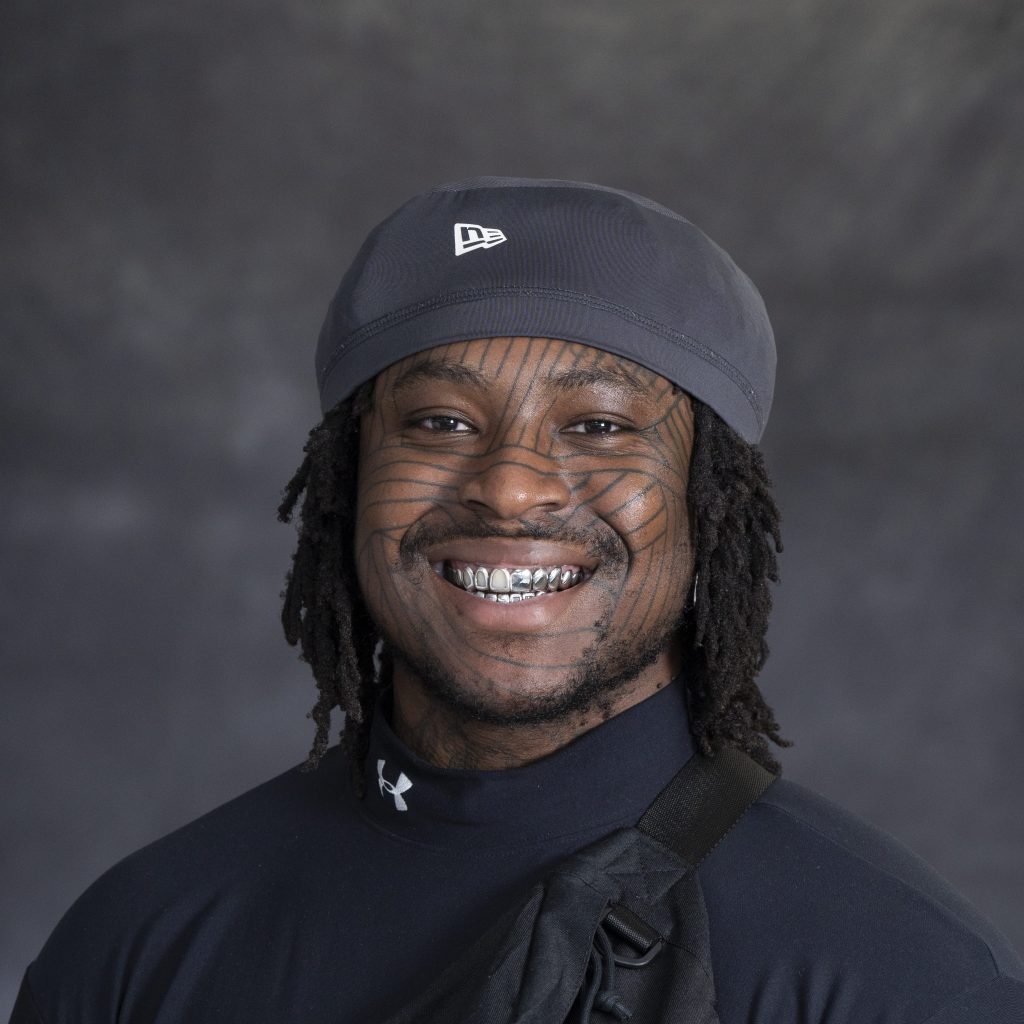
Akeem Anderson
Akeem Anderson was raised in Brooklyn, NY with Guyanese and Panamanian upbringing, but is currently based out of the Twin Cities, MN. He received his B.A. in Africana Studies from Dartmouth College. Akeem is currently a J.D. and Ph.D. student at the University of Minnesota with a minor in Race, Indigeneity, Disability, Gender, and Sexuality Studies (RIDGS) and certification in disability policy. Based out of the American Studies department, his research explores the 1920s American empire, where to discuss jazz became synonymous with discussing Black social life in the U.S. He argues that understanding the continuities of anti-black racial violence requires excavating and analyzing the racism that structured medico-legal relations in the Jazz Age, as well as the dynamics between eugenics professionals and the people they purported to treat. He aims to address systemic forms of anti-Black violence that occur at the nexus of public health and law.
Xochitl de Anda Arellanes
Xochitl de Anda Arellanes (sher/her/ella) is a second-year Ph.D. student in the Department of Sociology. Her research interests are immigration law, citizenship, and feelings of belonging. Specifically, she seeks to explore how Latine immigrants conceptualize belonging as they navigate the precarity of immigration laws. Her interests are inspired by her migration journey and previous work with immigrant survivors of gender-based violence. Through her work, she hopes to build on scholarship centered on reducing the harm and restrictions stemming from immigration policies that routinely exclude non-citizens from everyday spaces, disavowing their humanity and their contributions to society. She holds an M.A. in Social Justice and Community Development from Loyola University Chicago and a B.A. in Psychology from Buena Vista University.

Nou-Chee Chang
Nou-Chee Chang is a third-year doctoral student at the University of Minnesota and is deeply engaged in Critical-Cultural Media Studies, with a focus on Southeast Asia and empire. In the field of Communication Studies, they are interested in the role popular media plays in constructing, contorting and commodifying war and Asian deaths. Their research explores death/dying, haunting, and memory through various mediums such as horror cinema, television, and novels. Nou-Chee’s work attempts to explore how cinema and television construct Southeast Asian (American) identity.
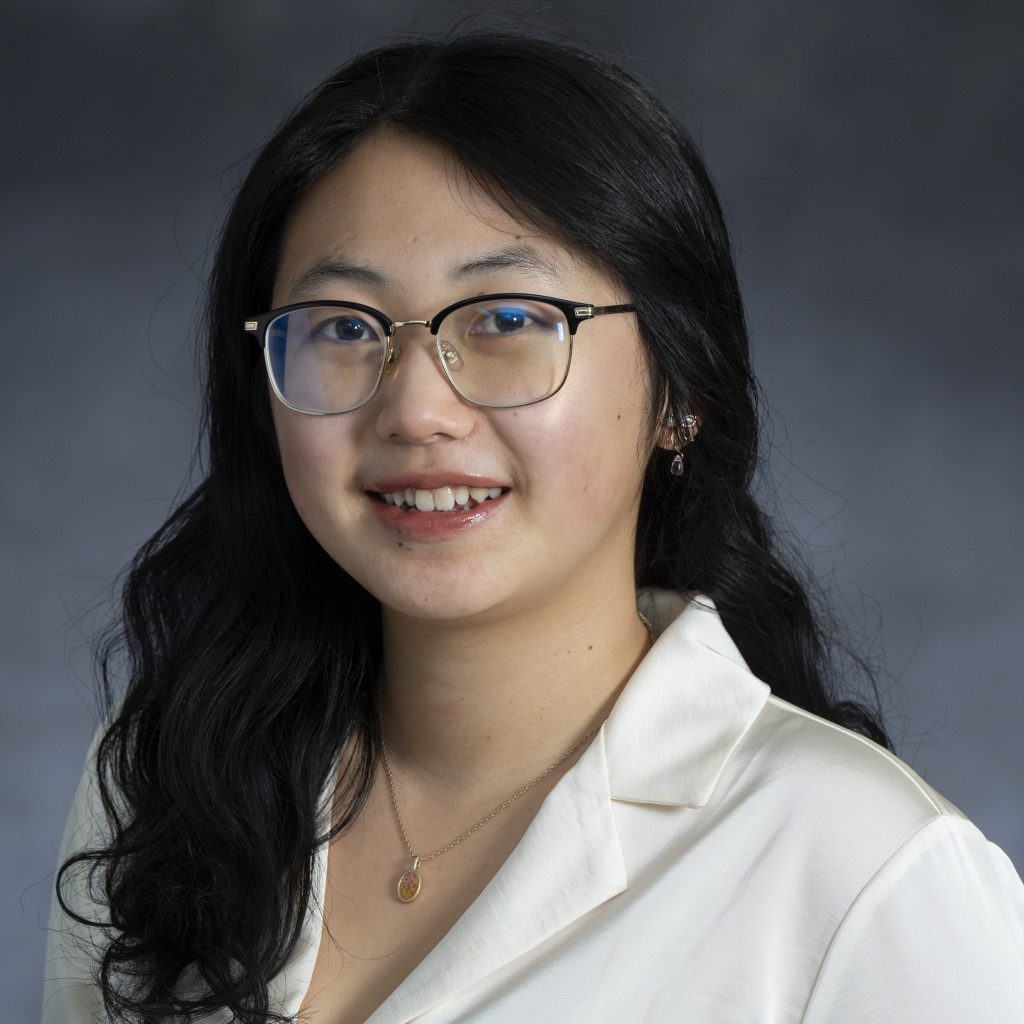
Isabella Irtifa
Isabella Irtifa (she/her) is a Ph.D. candidate in Sociology at the University of Minnesota, where her research focuses on the intersections of abolition and critical race theory. She holds a master’s degree from the Institute for the Study of Human Rights at Columbia University and a bachelor’s in Sociology and Ethnic Studies. As a bi-racial, second-generation Pakistani immigrant, Isabella’s lived experiences shape her scholarship and commitment to building communities of care through organizing against settler colonialism and state violence. She is passionate about advocating for a world without borders and carceral systems. She has co-run free legal clinics for people seeking asylum, organized mutual aid initiatives, and worked on campaigns to end prison slavery. Her writing can be found in Routed Magazine, Open Rivers, and The Sociological Review, among others.

Mskwaankwad Rice
Mskwaankwad Rice is a first-generation student of Anishinaabe (Ojibwe) heritage on his father’s side and Euro-Canadian settler on his mother’s side. He grew up in his home community of Waasaaksing, located on the eastern shores of Georgian Bay in Lake Huron and lives there when not in Minneapolis for school. He is a learner of Anishinaabemowin (the Ojibwe language) and is about to complete a Ph.D. in Linguistics, pursuing this education for its value in supporting Indigenous language reclamation efforts. He especially enjoys working with Elders in learning, talking about, and documenting the language.

Diksha Shriyan
Diksha Shriyan is a doctoral candidate in the Department of Geography, Environment & Society at the University of Minnesota and a Fellow at the Interdisciplinary Center for the Study of Global Change. Her research interests focus on the political economy of labor relations, social reproduction, the intersections of caste, race, gender, and class in agrarian transitions and seasonal domestic labor migration.

Lindsey Willow Smith
Lindsey Willow Smith is a Sault Ste. Marie Tribe of Chippewa Indians citizen, muhkwa nindoodem, born and raised in the Lower Peninsula of Michigan. She earned her undergraduate degree in History with a minor in Museum Studies at the University of Michigan. She then worked at the Smithsonian National Museum of the American Indian before beginning her Ph.D. in History at the University of Minnesota. She is interested in understanding the role of resistance and refusal in identity formation, especially in relation to how Native people–and especially Native women–in Detroit and other urban settings defined themselves, their communities, and their nations in the 20th century. In particular, she seeks to rewrite the history of Native Americans in Detroit, and their understanding of the city as an Indigenous place connected to the rest of the Indigenous world. Her research is rooted in concepts of relationality stemming from her experiences of learning Ojibwemowin and Indigenous Feminisms.
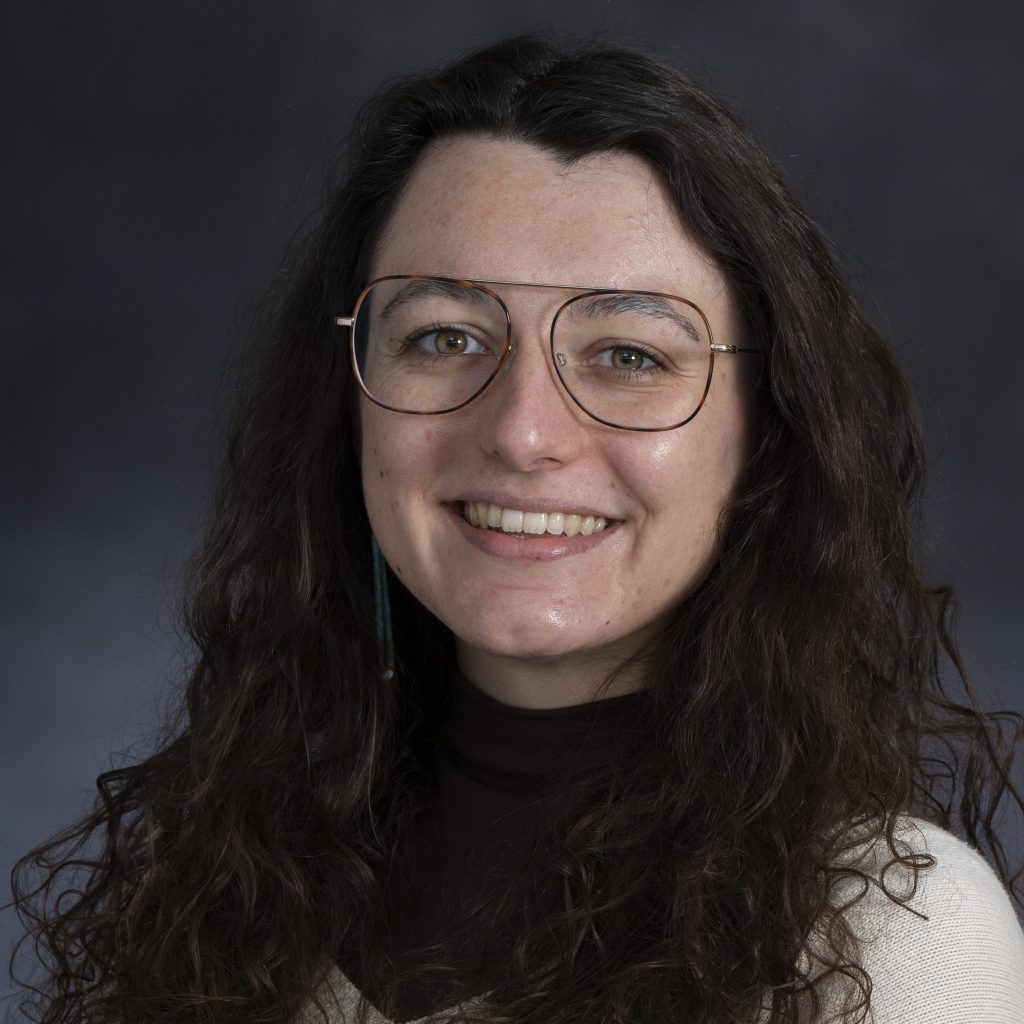
Chukwuma Nweje Udezeh
Chukwuma Nweje Udezeh is a Ph.D. candidate at the University of Minnesota. He is on the Apparel Studies Product Development track in the College of Design and has completed a graduate minor in Integrative Therapies & Healing Practices. Chukwuma’s research engages in collaborative clothing design alongside members from marginalized communities to promote inclusivity. With a focus on disability, Chukwuma uses design to accommodate people with disabilities and improve well-being. He acknowledges and embraces diversity for the difference in perspective and experiences that it provides us.